
Cable Repair in Nassau Bay
Cable Repair for Nassau Bay's 1969-Era Doors
Nassau Bay homes date mostly to 1969, meaning original extension-spring cable setups on many doors. We drive the 2 miles from Webster to fix frayed or snapped cables.
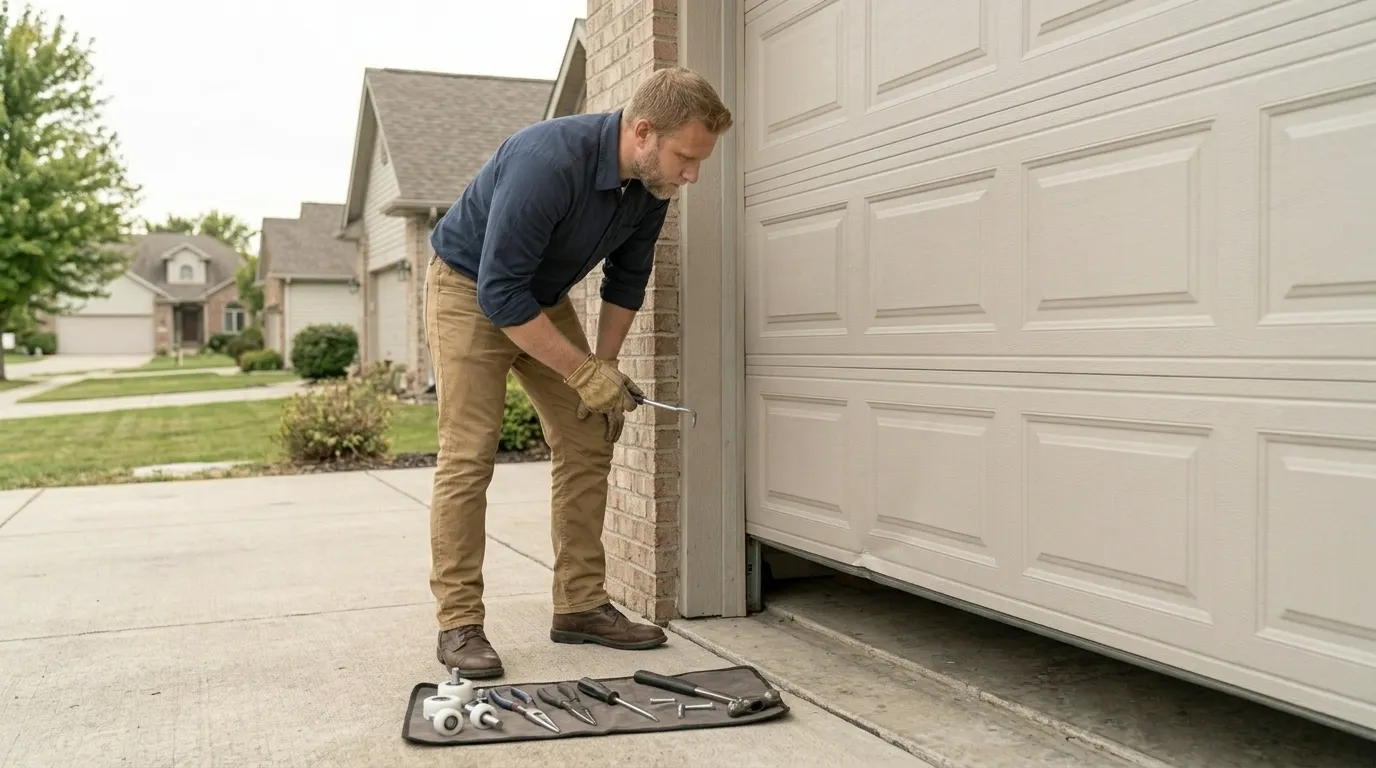
What Happens When You Call
-
1
Call or Request a Quote
Tell us what the door is doing and roughly how old the house is - that alone points us toward the likely part before a truck leaves.
-
2
On-Site Diagnosis
A tech checks the spring, cables, tracks, and opener in person and tells you plainly what is actually wrong.
-
3
Straight Price, No Surprises
You get a number before any work starts. It covers parts and labor, nothing added after the fact.
-
4
Fixed the Same Visit
Most repairs are done in one trip. If a part needs sourcing, we tell you that upfront instead of guessing.
Getting It Booked In
We work out of Webster, about 2 miles from Nassau Bay, so a cable job here doesn't sit on a long drive. When you call, tell us whether the door is stuck shut, hanging crooked on one side, or came down hard and won't budge - that tells us which cable failed and whether the door is safe to touch before we get there. Don't try to force the door up on a broken cable.
If one side let go, the door is likely cocked in the track and the opener will fight it, which strains the opener gears for no reason. Leave it where it sits. We carry stock for the cable gauges and drum sizes that show up on doors from Nassau Bay's build era, so most jobs get finished in the one visit rather than needing a special order.
Where This Job Goes Sideways
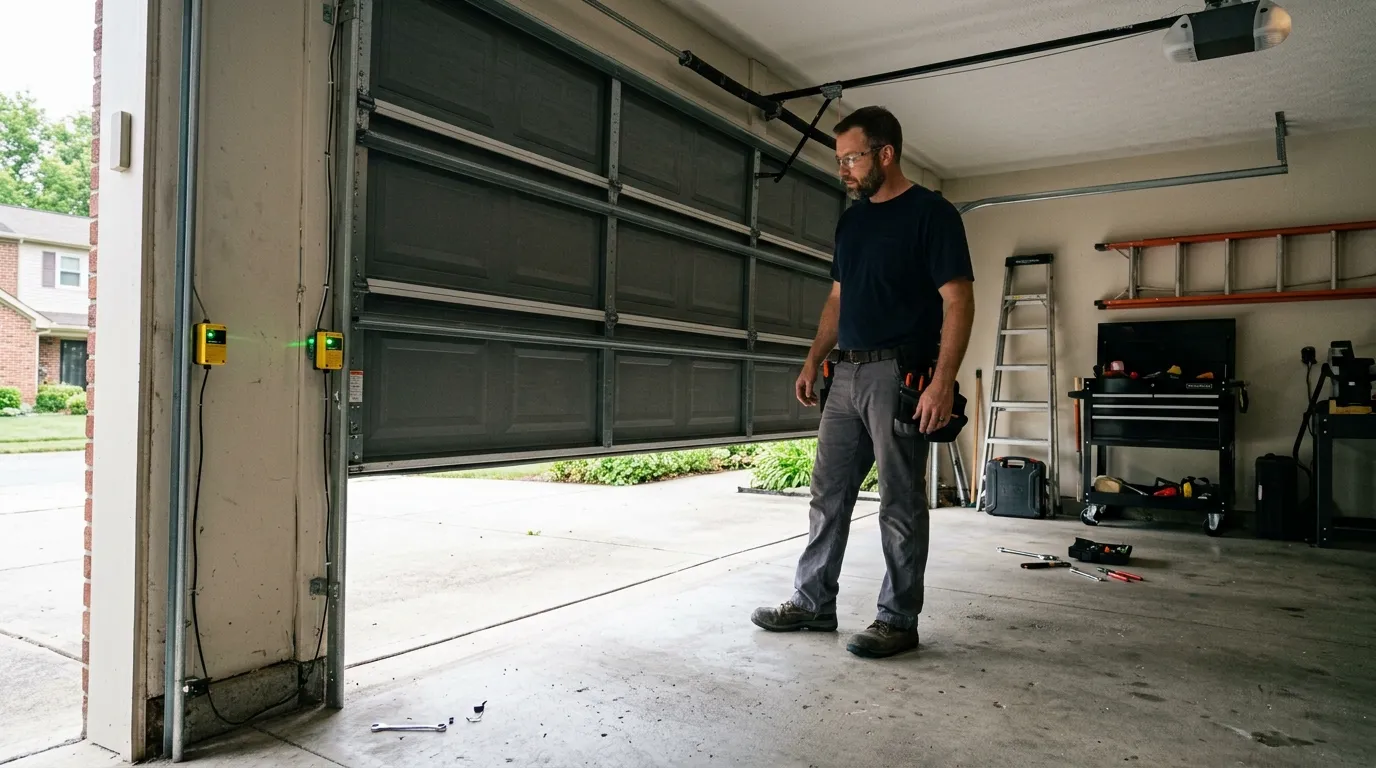
The complication in Nassau Bay isn't the cable itself - it's what the cable is attached to. A house built in 1969 was as likely to go up with an extension-spring system as a torsion setup, and extension springs run their own separate lift cables with pulleys that wear a groove over the decades. If we're only told 'the cable broke' and show up expecting a torsion drum, we lose time re-diagnosing on site.
The other snag is rust. Cable strands near the bottom roller brackets take the most moisture exposure, and on a door this old the anchor bracket itself is sometimes as tired as the cable. Replacing the cable and leaving a corroded anchor bracket in place just moves the failure point a few months down the road.
Can You Do This Yourself
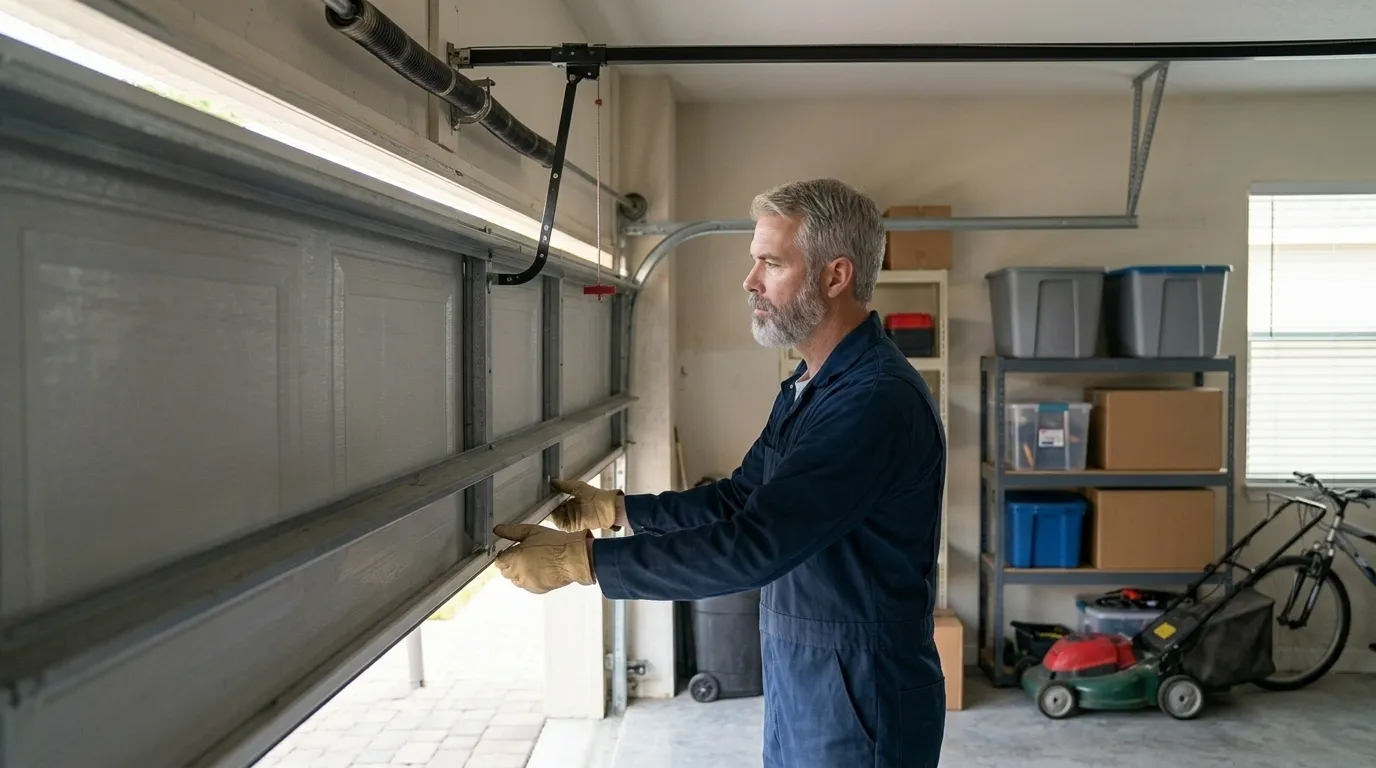
A garage door cable is under real tension even after it snaps - the drum or the extension spring can still be loaded, and the door itself weighs more than most people guess. We don't recommend DIY cable replacement on a torsion system at all; unwinding a wound spring without the right bars is how people get hurt. On an extension-spring door the risk is lower but still real, since the pulley and the lift cable are both under load whenever the door is anywhere but fully down.
If the door is down and staying down, that's the safest state to leave it in until we get there. Beyond safety, matching the exact cable gauge and length matters - too long or too short and the door won't seat evenly, which chews up rollers and track alignment fast.
What the Repair Takes
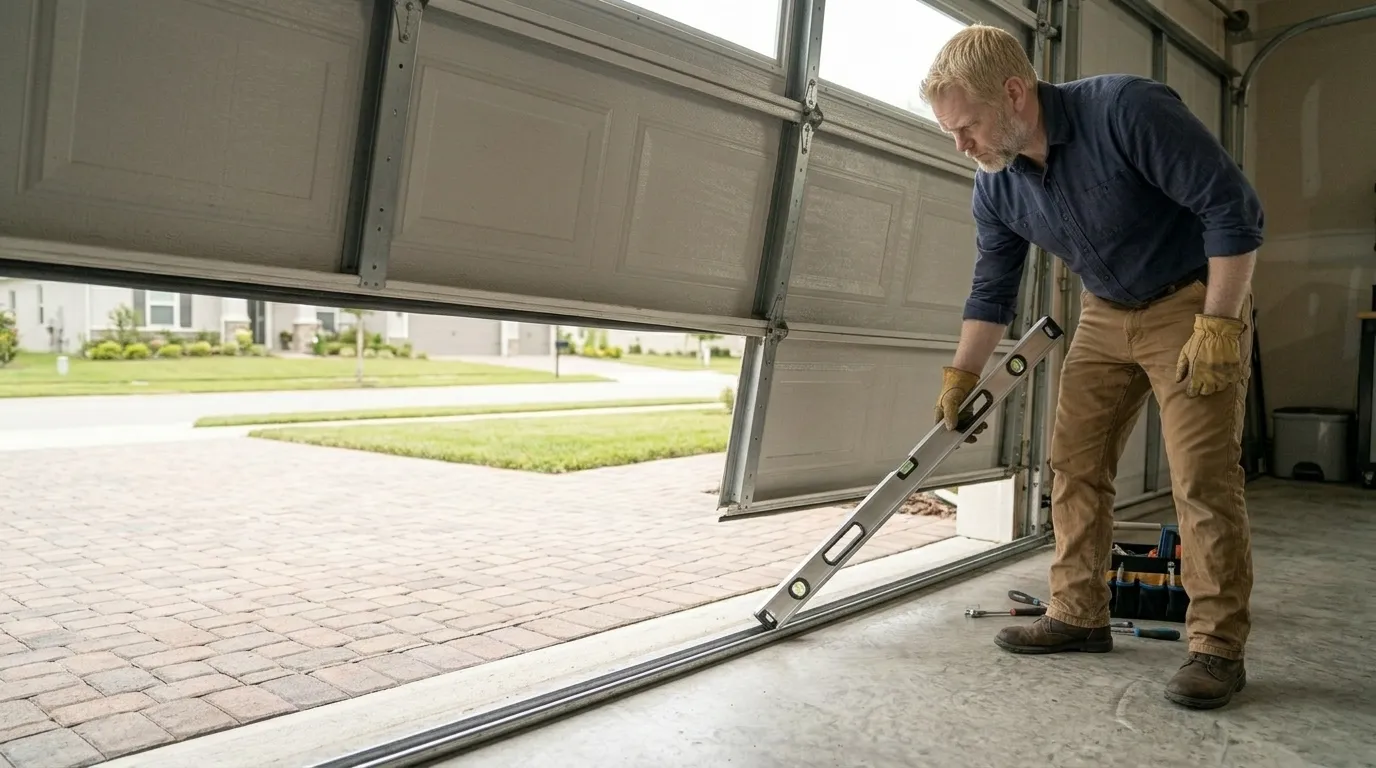
Most cable jobs are a straight swap: we pull the failed cable, check the drum or pulley it rode on for grooving, and replace the cable end to end rather than splicing it, since a splice becomes the next weak point. On torsion systems we also check that both cables carry equal tension after the swap - an uneven cable is what makes a door look like it's leaning on one side even when both cables look fine to the eye.
If the drum, pulley, or anchor bracket shows wear from the cable riding wrong, we replace that part in the same visit rather than have you call back in six months. We don't stock every legacy pulley casting from the 1960s and 70s, so on rare doors where the hardware is genuinely obsolete, we'll tell you that up front rather than pretend a universal part is a perfect match.
What Causes It Around Here
The climate here runs mild with the occasional freeze, which isn't the brutal cycle that snaps cables outright, but it does mean steady humidity works on exposed steel year-round without a hard winter to keep condensation off. Cables that spend decades near the coast pick up surface rust at the strand level long before they look bad from a few feet away.
On a door built when Nassau Bay's houses went up - clustered around 1969 - that's 55-plus years for corrosion to work into cable that was probably never galvanized to today's standard. The other driver is straightforward wear: a cable that's been wound and unwound on the same drum grooves for that long eventually frays right where it always sat.
Parts We Carry
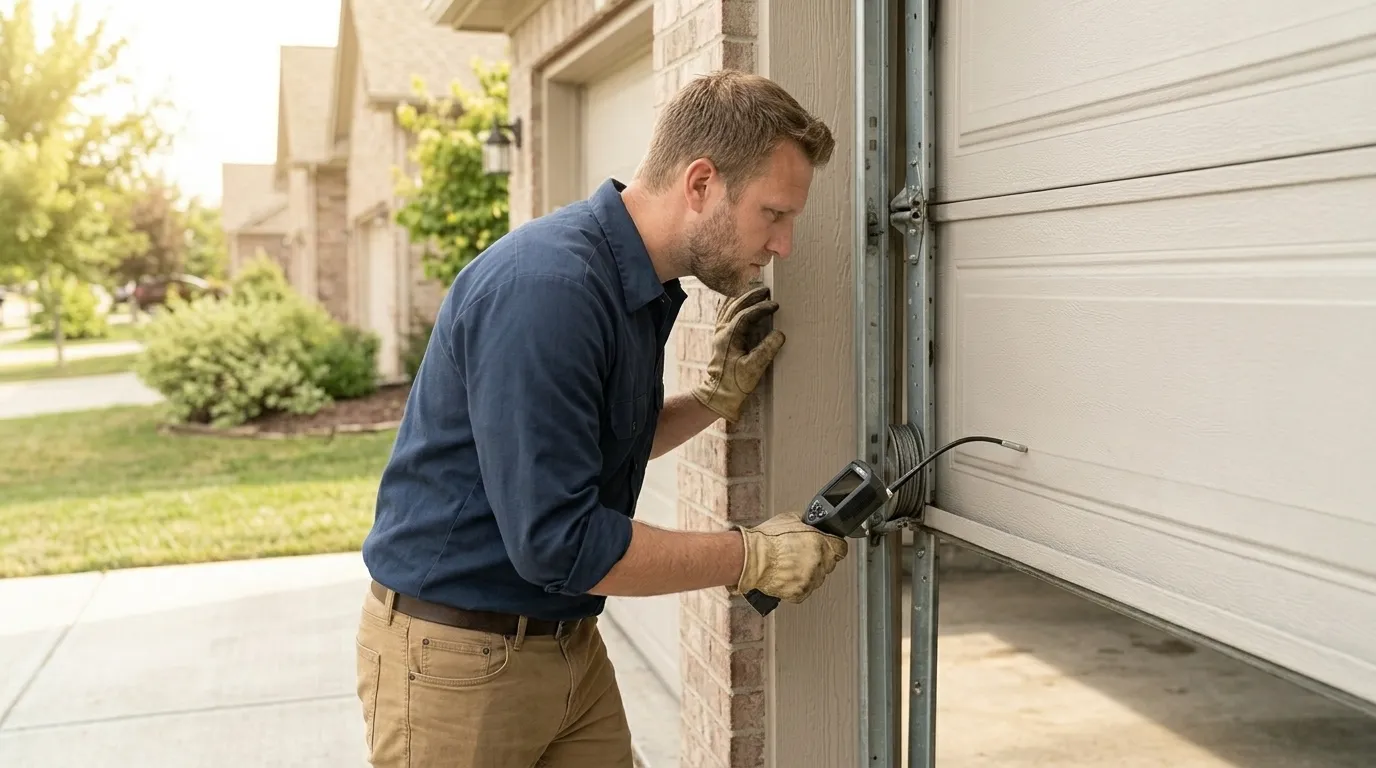
We keep common cable gauges and lengths on the truck for both torsion and extension-spring setups, along with matching drums, pulleys, and anchor brackets, since a cable rarely fails alone. What we don't keep on hand is obsolete hardware specific to a handful of older door brands - if your door has a proprietary drum casting from decades back, we'll source it rather than force-fit something that won't hold tension right.
For anything broader than a cable - full door or opener work - that's covered on our Webster page rather than here. See our Nassau Bay garage doors overview or the Webster cable repair page for the wider service area.
Talk to a Nassau Bay Technician First
Describe what the door is doing and get a straight answer on what it likely needs.
Other Garage Door Services in Nassau Bay
Recent Work in Nassau Bay
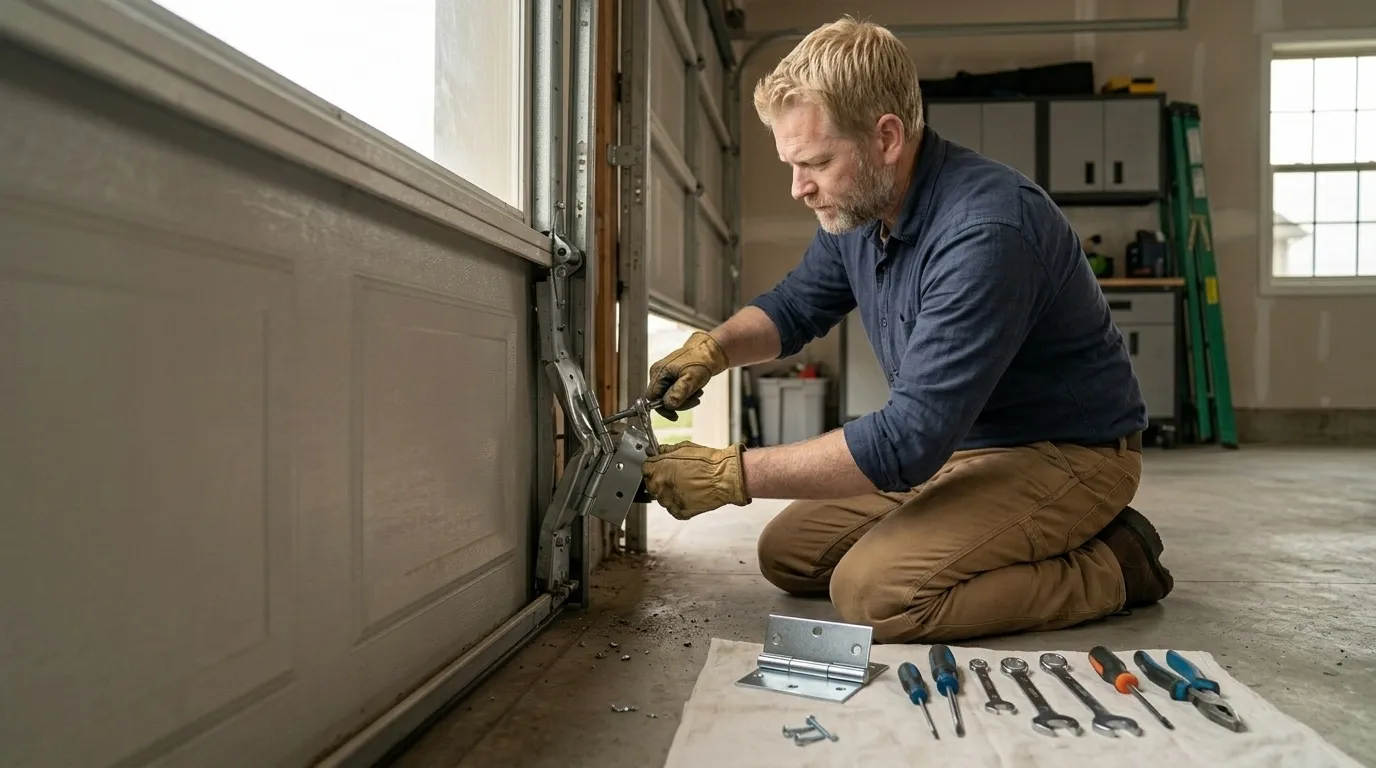
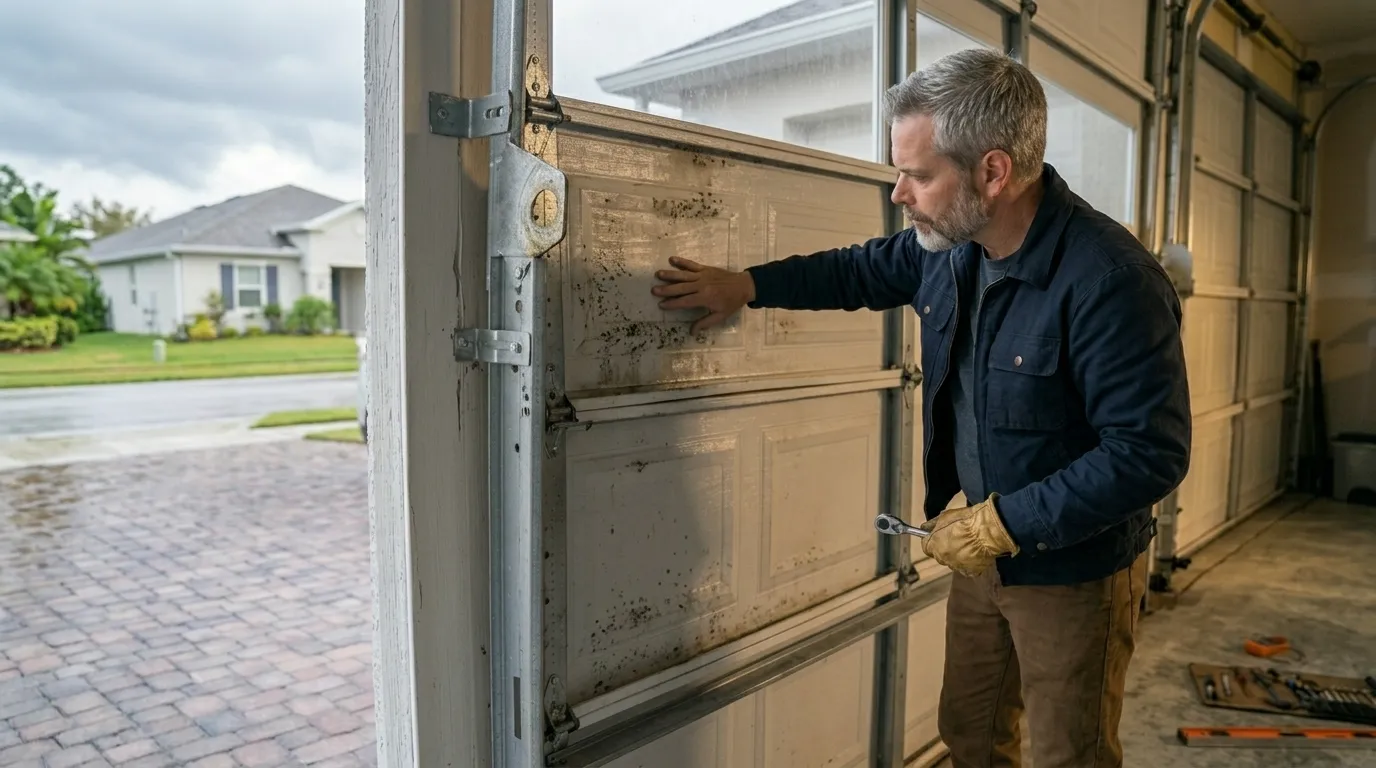
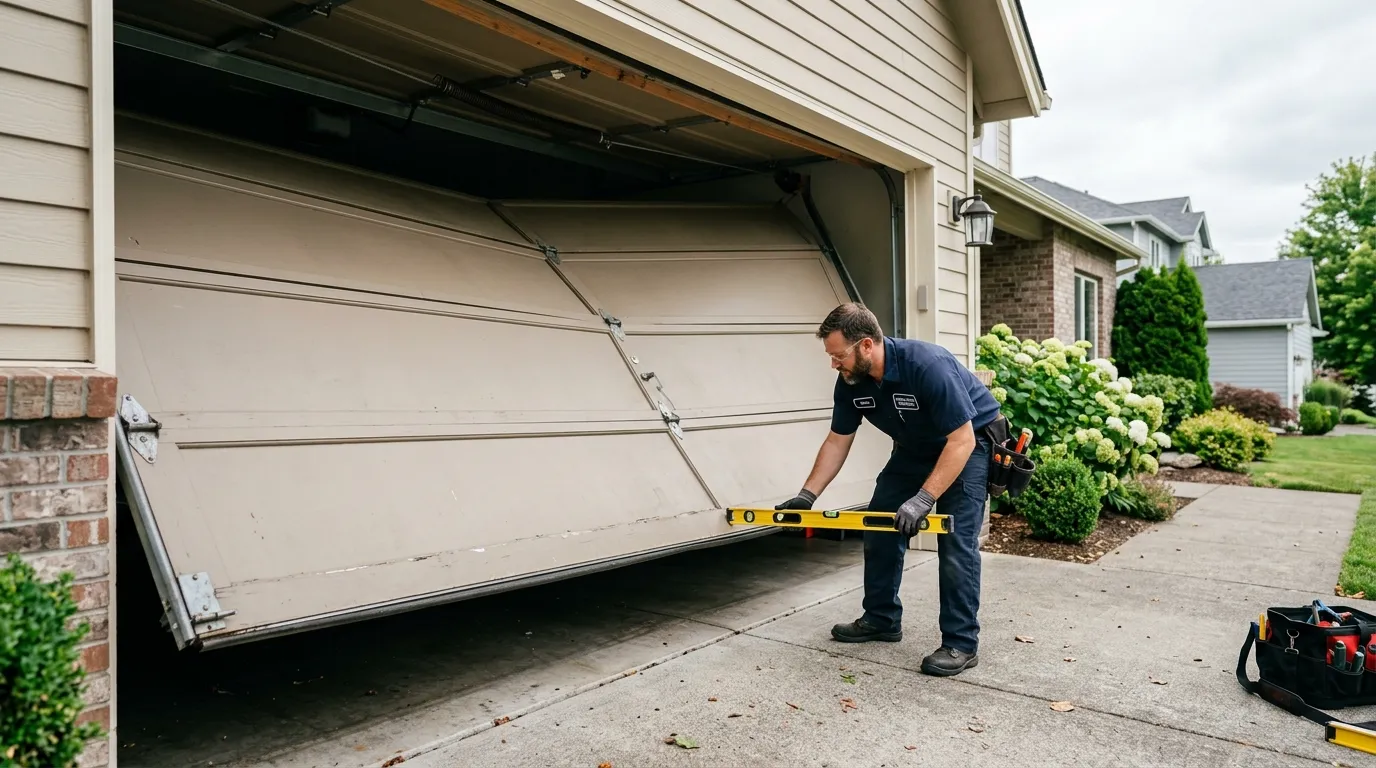
A look at jobs our crew has been on nearby.
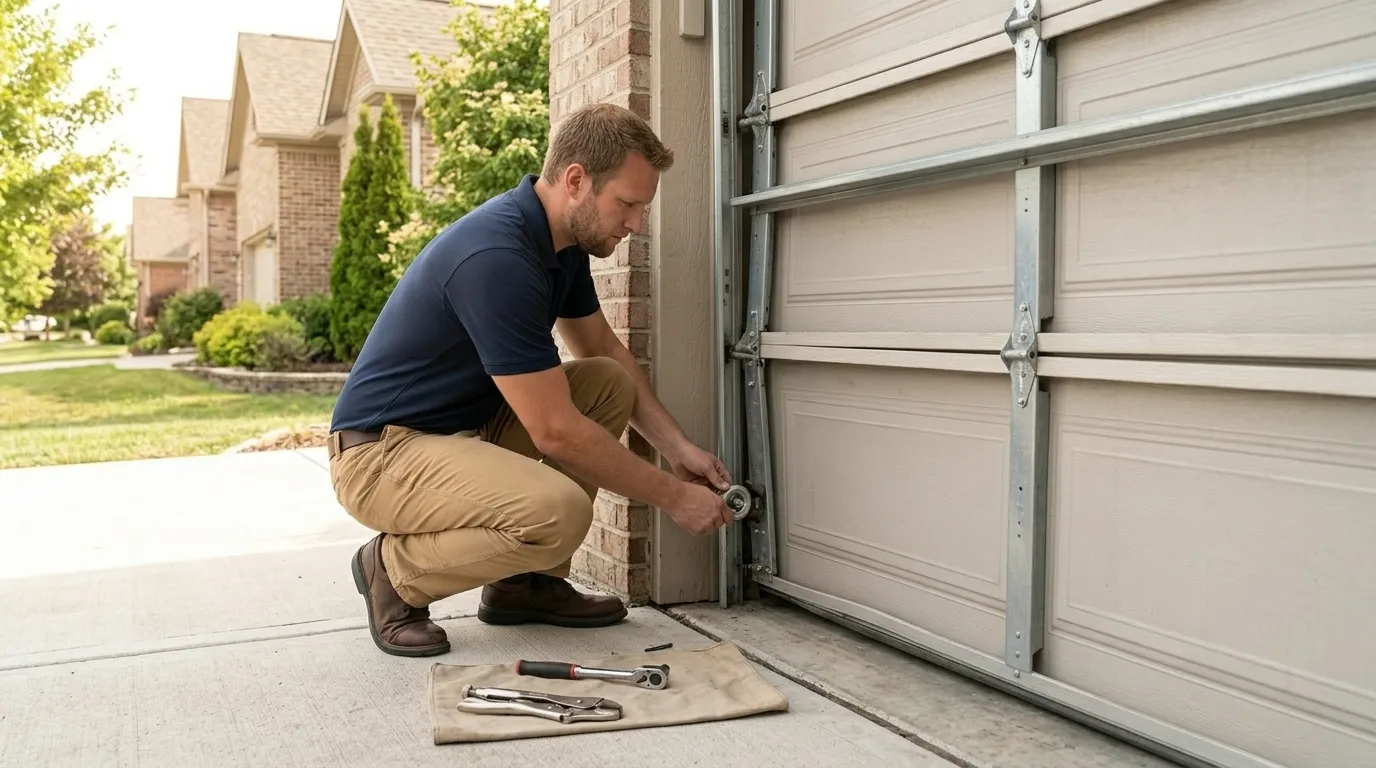
Why Nassau Bay Calls Us
Frequently Asked Questions
How far out is Nassau Bay from your Webster location?
About 2 miles. We don't keep a branch in Nassau Bay itself - we run the job from Webster, and the drive doesn't add meaningfully to how fast we can get to a broken cable.
Is my door torsion or extension spring?
With most Nassau Bay homes dating to around 1969, we see a real mix of both. Torsion springs sit on a shaft above the door; extension springs stretch along the tracks with separate lift cables. Tell us which you see, or send a photo, so we bring the right stock.
Why did my cable snap with no warning?
Cable failure is almost always gradual corrosion or fraying at a wear point, not a sudden event. On a door this age, the strand has usually been thinning for a while near the drum or pulley groove - you just don't see it until the last thread lets go.
Can you match the exact hardware on an older door?
Usually yes for the cable, drum, and pulley - those are common gauges. Some 1960s-era door brands used proprietary castings we don't stock; if that's the case, we'll say so and source the part rather than force a fit.
Need Cable Repair in Nassau Bay?
Call now for straight answers on cost and timing.