
Webster Garage Door Guide
What Power Cuts Do to an Older Webster Opener
Webster homes built between 1956 and 2014 often run openers that stall or lock up during a power cut. Here's what the age of your door setup means for you.
- Licensed & Insured
- Same-Area Service Calls
- Upfront Pricing
What the Weather Here Does to It
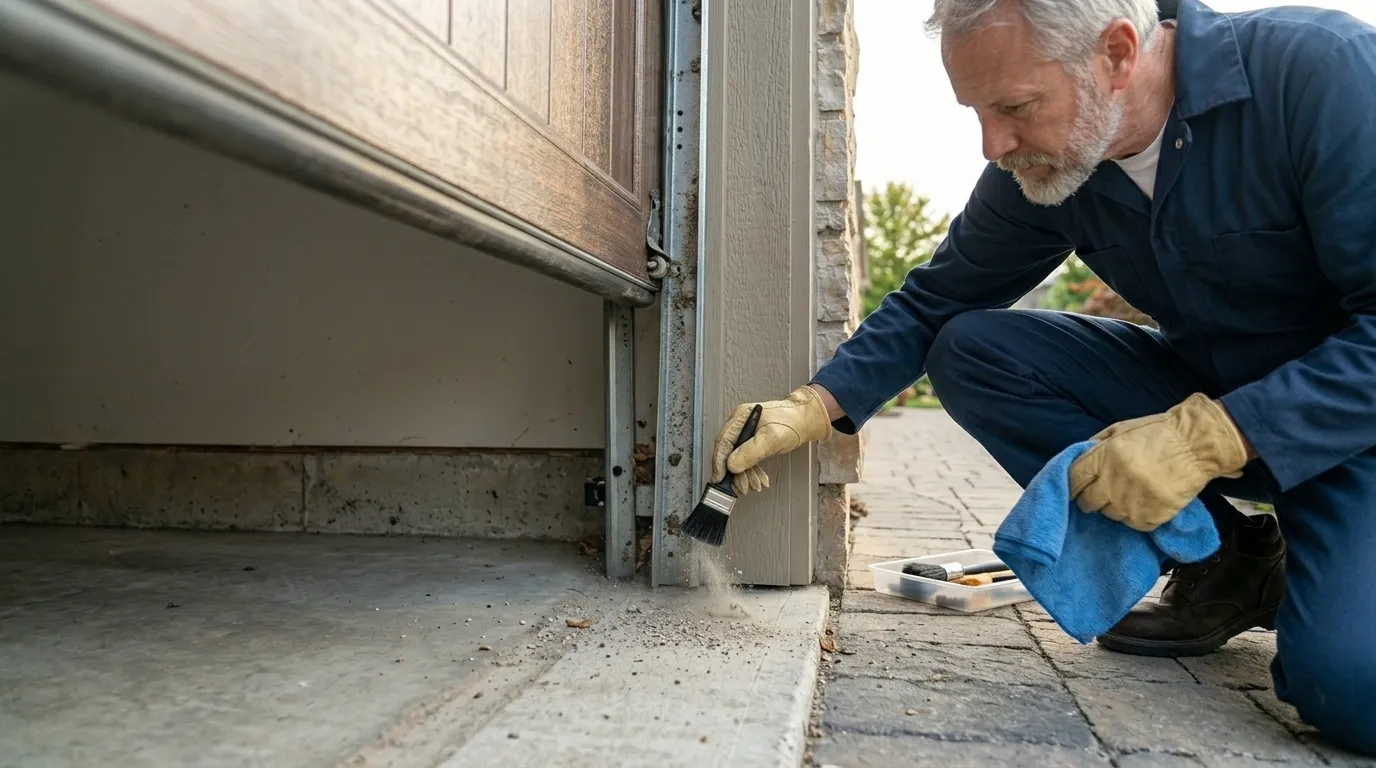
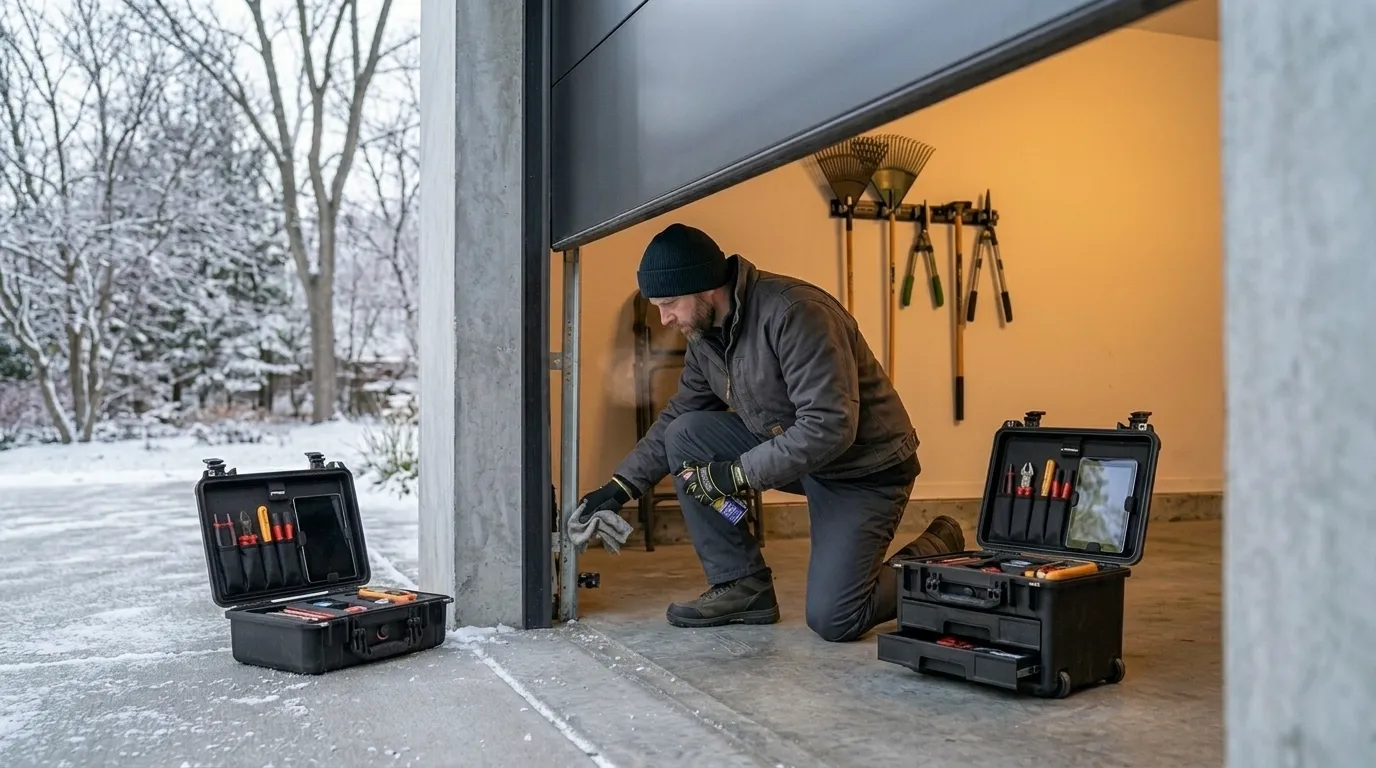
Webster sits in a mild climate band with only occasional freeze, not the deep-cold cycling that wrecks openers up north. That's the good news. The bad news is what a cold snap does to a motor that's already decades old: grease in the drive gear and rail stiffens up, the motor has to pull harder to move the same door, and that extra draw is exactly the kind of load that trips a breaker or adds to strain on a stressed grid during a cold event.
You don't get freeze-thaw heaving here the way colder states do, but you do get sudden current spikes on the coldest mornings of the year, right when everyone else's heater or opener is drawing too. That's when an aging opener that was already borderline decides to quit, and the timing is never convenient. It isn't the cold itself killing the opener - it's the cold exposing a motor and gear set that had little margin left to begin with.
What Is Going On
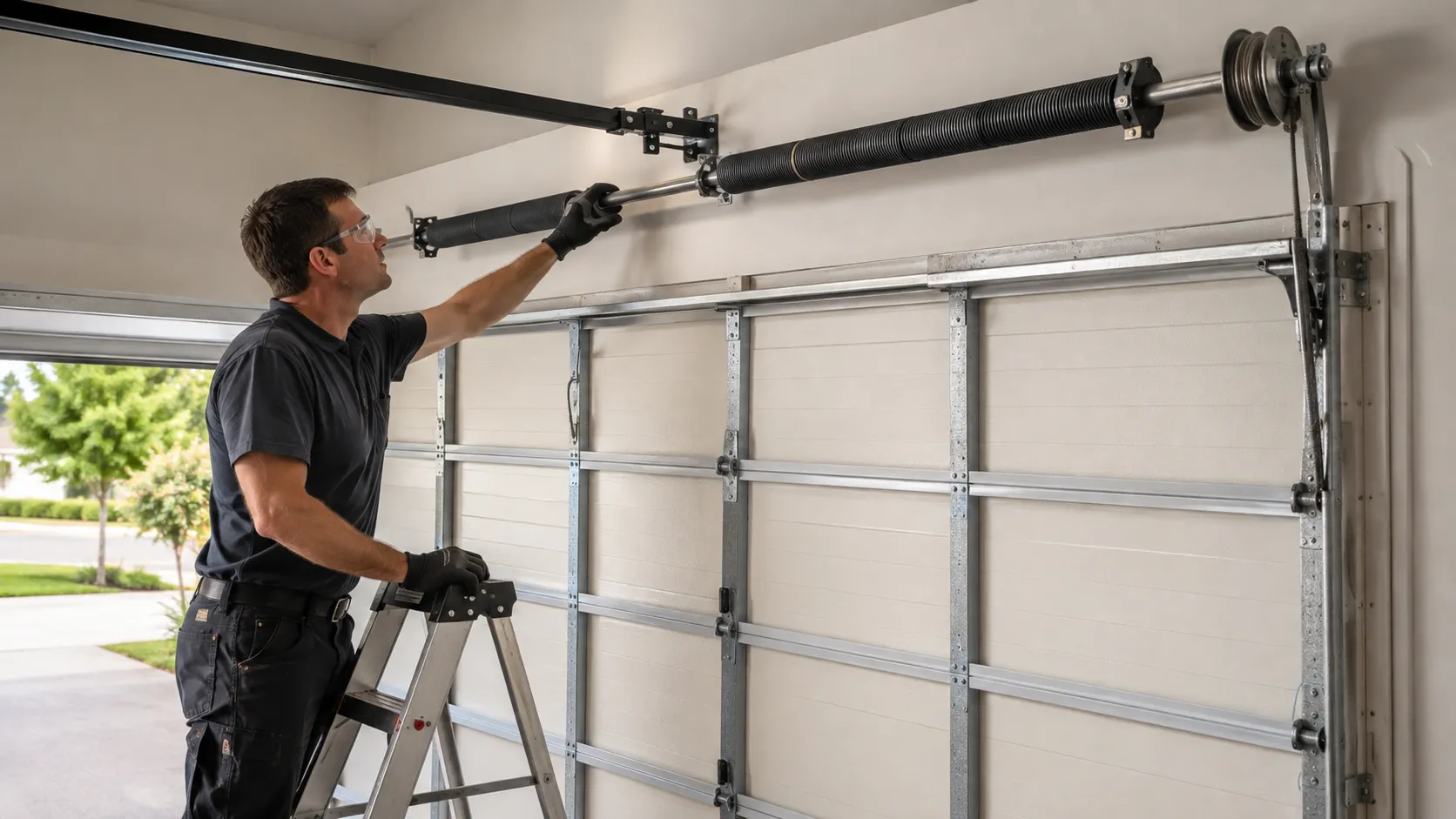
Housing in this service area runs from 1956 through 2014, with the median build year at 1983 and the bulk of the stock dating to the 1980s and 90s across the fourteen named areas we cover, from Nassau Bay out to places like Bacliff and San Leon. That matters for openers specifically because battery backup wasn't standard equipment until fairly recently. A house built or last-renovated in that 1980s-90s window is likely running a chain-drive opener from that generation, or a straight swap for the same kind of unit - no backup battery, no way to open the door from inside if the power's out and you don't know where the manual release cord is.
When the power cuts, that opener just stops. The door is wherever it was when the lights went out, and it stays there until either the power comes back or someone pulls the release and lifts it by hand.
Leaving It Alone
Here's the honest part: if your opener works fine and outages are rare where you are, replacing it just to add battery backup isn't always worth the money. A working chain-drive opener from the 1980s or 90s can run for years yet, and swapping it out before it actually fails is a call only you can make on cost, not one we'll push on you. What we won't tell you is that it's fine to ignore the manual release entirely.
If you don't know where that cord is, or it's rusted stiff from disuse, you'll find out the hard way during the next outage - probably at the worst possible time, like leaving for work or getting the car out ahead of a freeze warning. The opener not having backup power is a known limitation of its age. Not knowing how to open the door without it is a separate problem, and it's the one that actually leaves people stuck.
What to Check
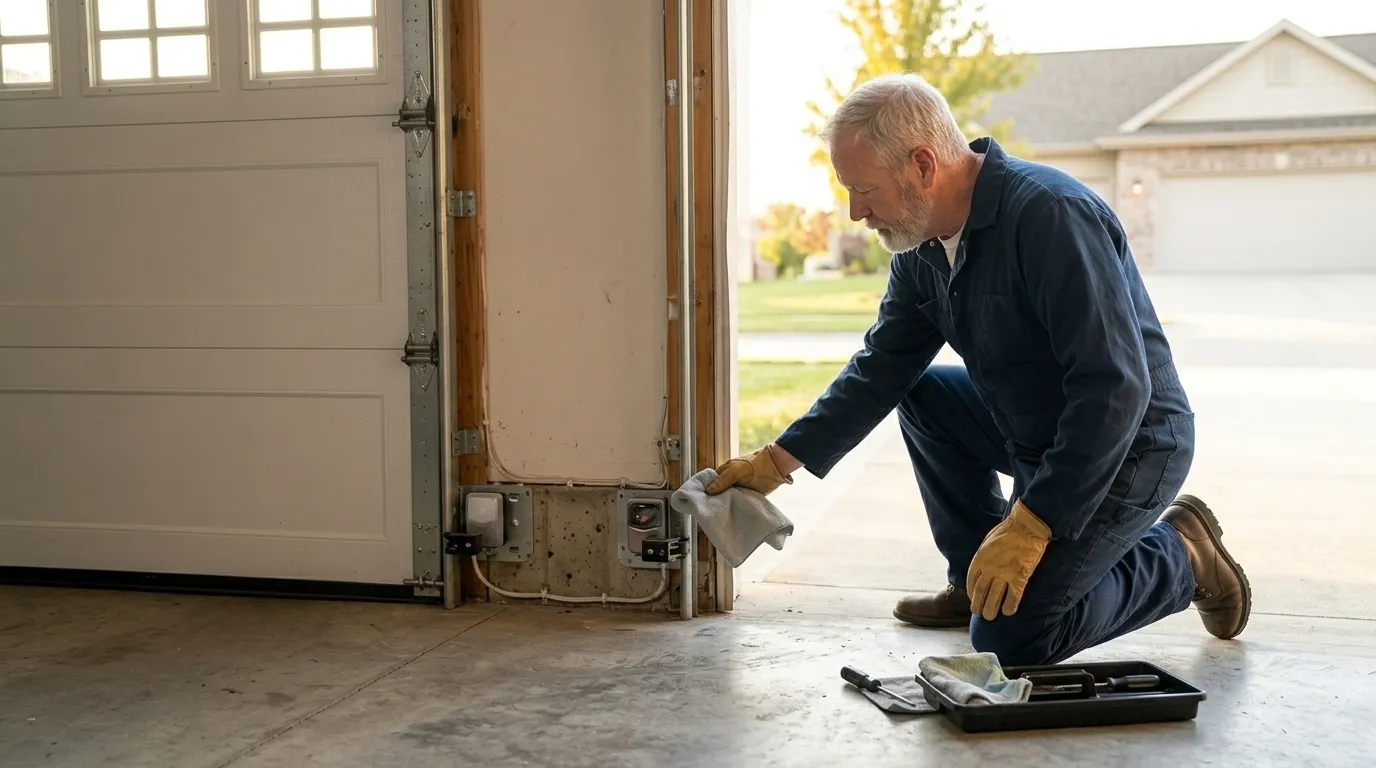
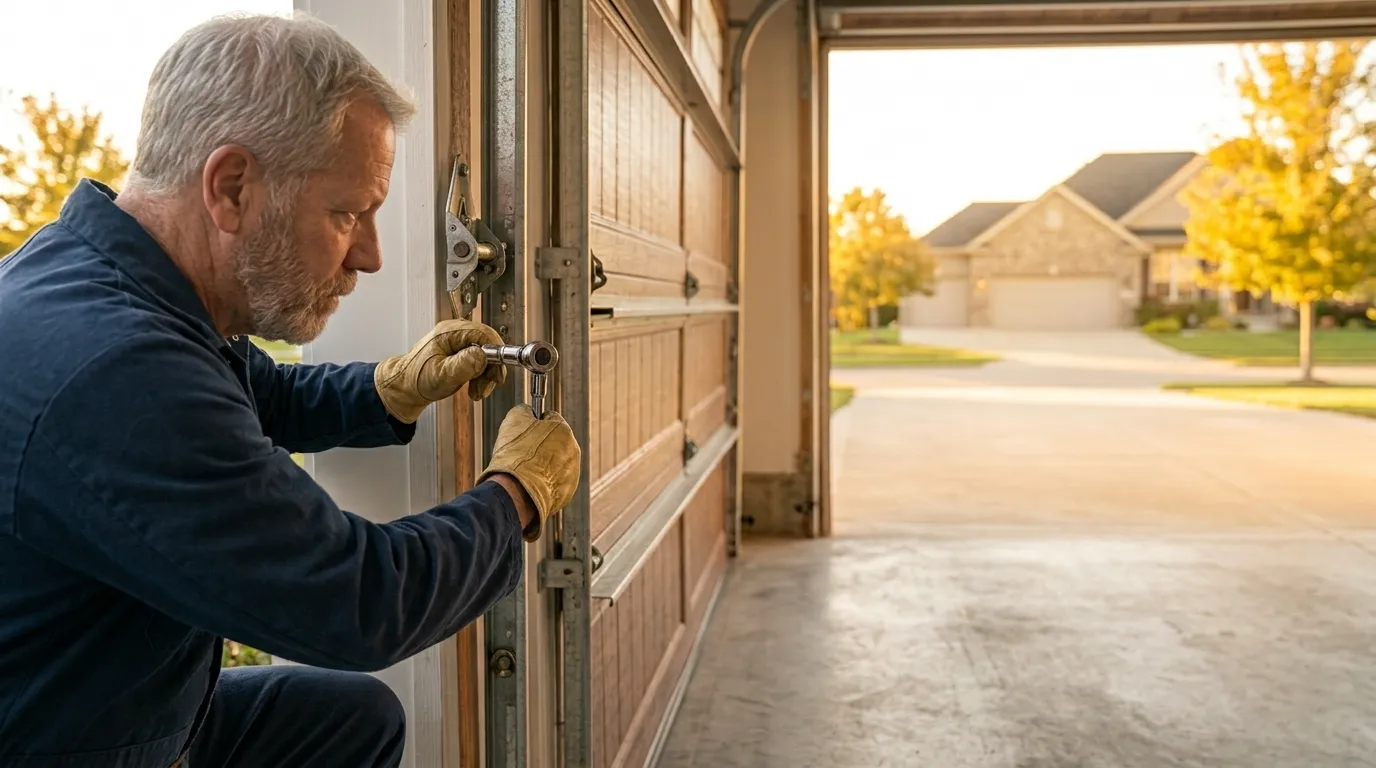
Start with the manual release cord - the red handle hanging from the trolley. Pull it once now, not during an outage, so you know it moves freely and you know where it is. Next, check whether your opener has any battery backup at all; units built to the 1980s-90s standard that's common across this area generally don't.
If yours doesn't and outages worry you, that's a retrofit conversation, not a full opener replacement in most cases. Third, listen to the motor on a cold morning - a labored, straining sound before it even lifts the door is the stiffened-grease symptom described above, and it's worth having a look before it trips a breaker instead of just running slow. Homes closer to Clear Lake and out toward South Shore Harbour see the same housing-age pattern as the rest of the service area, so none of this is neighborhood-specific - it's about the age of the equipment, not the street it's on.
How We Can Help
Garage Door Repair
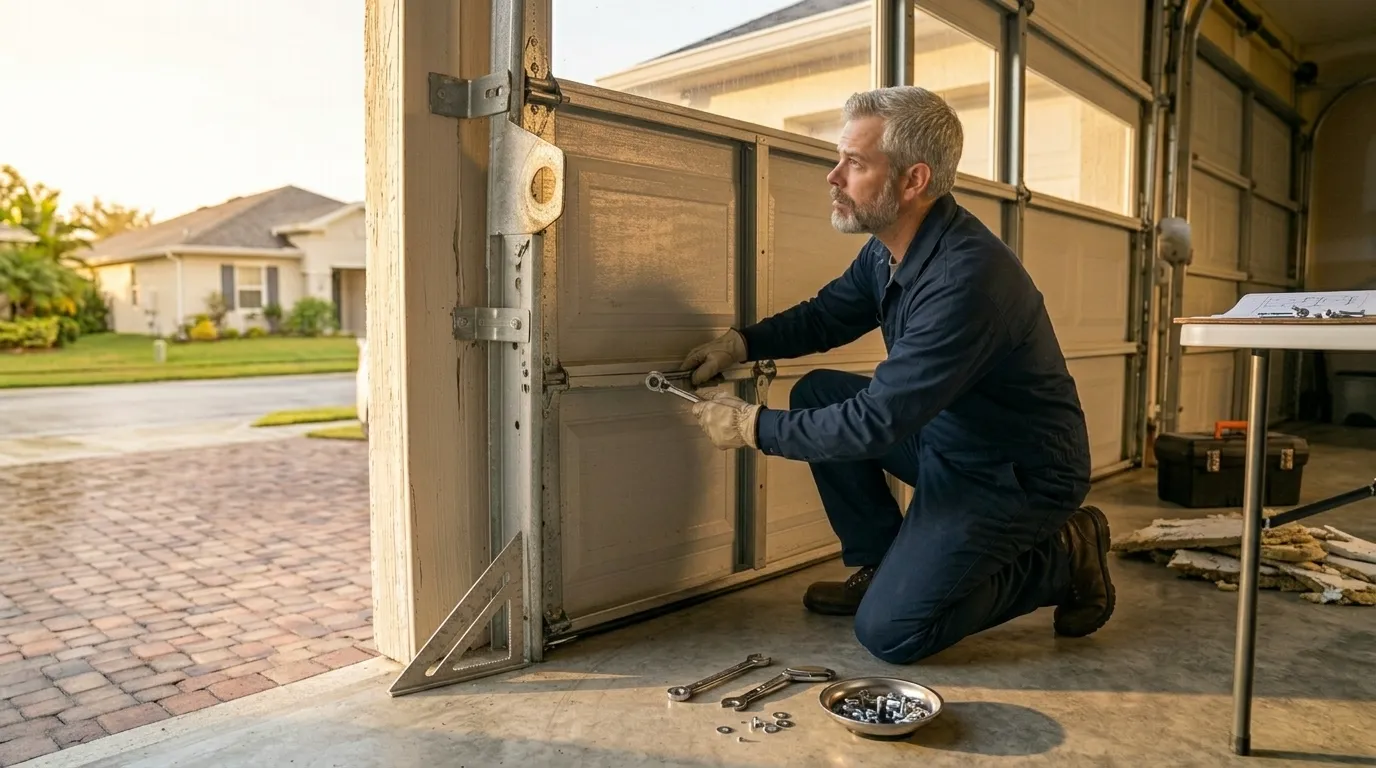
Springs, cables, tracks, rollers, and openers fixed by a tech who explains the problem before touching anything.
Learn more →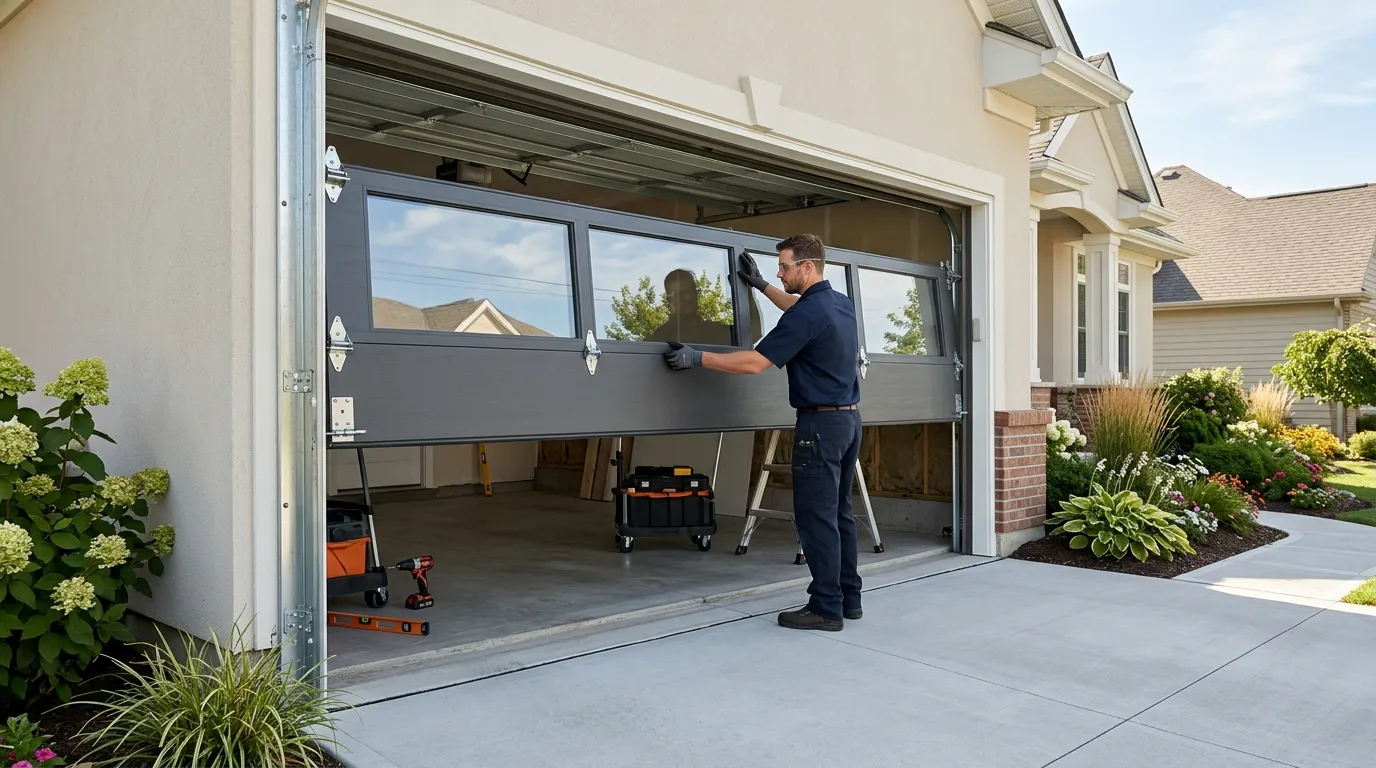
Garage Door Installation
New sectional doors sized and installed for the housing stock actually built in this area.
Learn more →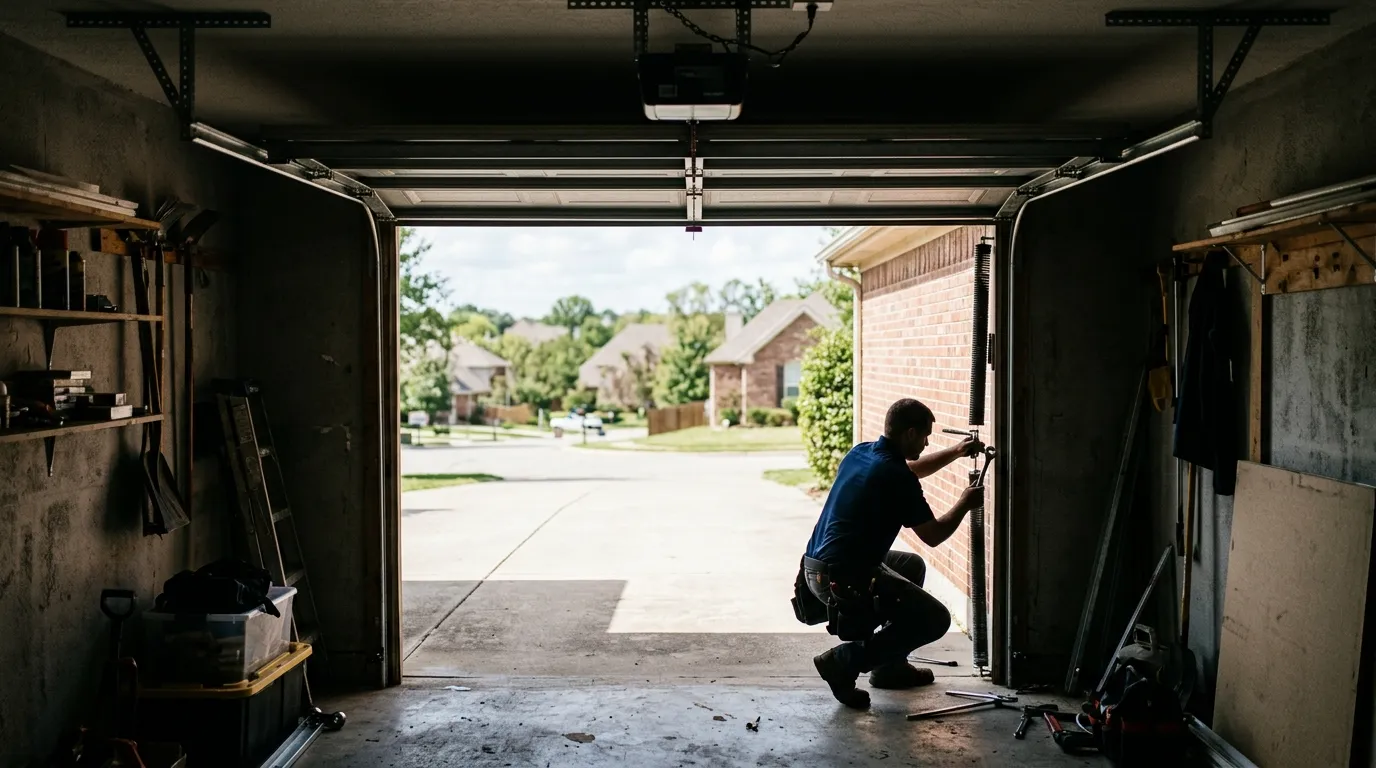
Garage Door Service
Tune-ups, lubrication, and safety checks that catch a small problem before it becomes a service call.
Learn more →Frequently Asked Questions
Why does my garage door opener struggle on cold mornings in Webster?
Webster's climate is mild with only occasional freeze, but that cold snap stiffens the grease in an older opener's gears and rail. The motor pulls more current to do the same job, which is why an aging unit can strain, stall, or trip a breaker on the coldest mornings rather than any other time of year.
Does my opener have battery backup?
If your home's opener dates to the 1980s or 90s build era common across this service area, it almost certainly doesn't. Battery backup became standard on newer models more recently. Check the opener head for a battery pack; if there isn't one, a power cut will leave the door wherever it was when the lights went out.
Is it worth replacing an old opener just to get backup power?
Not always. If the opener still runs fine and outages aren't a regular problem for you, a battery-backup retrofit or waiting until it actually fails can save you money. Replace it because it's failing or because backup power genuinely matters to your routine, not just because it's old.
Where's the manual release on my garage door?
It's the cord with a handle, usually red, hanging down from the trolley that rides the rail. Pulling it disconnects the opener so you can lift the door by hand during a power cut. Test it now, not during an outage, so you're not hunting for it in the dark.
Have a Door That Needs a Second Opinion?
Call and describe what it is doing - we will tell you what it likely is.