
Webster Garage Door Guide
What Cold Does to a Webster Garage Door
Webster homes built mostly in the 1980s and 90s face torsion spring strain when temperatures dip near freezing. Here's what happens and what to check first.
- Licensed & Insured
- Same-Area Service Calls
- Upfront Pricing
What the Weather Here Does to It
Webster doesn't get the hard freezes you'd see further north. The climate band here is mild with occasional freezes, a handful of nights a year where the temperature drops enough to matter. That's the key word: occasional.
Steel doesn't care that it's rare. A torsion spring that's wound tight and holding 200-plus pounds of door doesn't need a week of cold to fail, it needs one cold morning on top of years of expansion and contraction it's already absorbed. Most of the houses in this stretch of the county, and that includes Nassau Bay and Taylor Lake Village a few miles off, were built between 1956 and 2014, with the heaviest concentration in the 1980s and 90s.
That's not a random detail. It means the spring on your door has already been through thirty-plus summers of Gulf Coast heat softening the coating and just as many winters, however mild, putting a small squeeze on the metal. Cold doesn't cause the failure by itself.
It's the last push on a spring that's been fatiguing since the Reagan administration. That's why the calls cluster around the first real cold snap of the season, not the hottest week of August.
What Is Going On
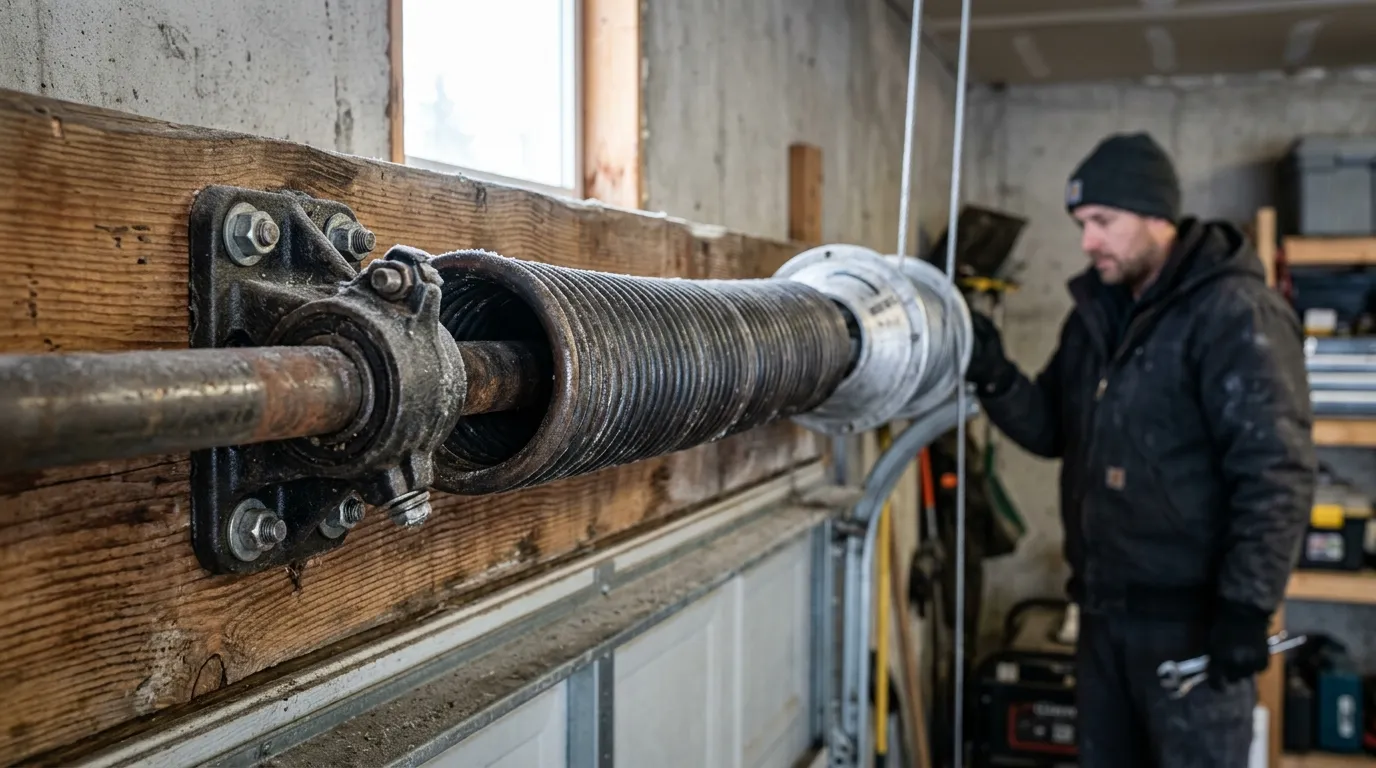
When a spring goes in cold weather, it's almost always a torsion spring, and it's almost always original to the house. Steel contracts slightly as it cools, which tightens the coils a fraction more than they were designed to hold at full wind. On a spring that's still within its working life, that's nothing.
m. Across this service area there are roughly 20,629 owner-occupied houses out of 31,368 households, and a large share of them share that same build window. This isn't a rare or unusual failure mode for one unlucky homeowner.
It's a predictable outcome of housing stock age meeting a cold morning. The spring doesn't ask what the weather forecast says before it goes. It goes because the metal has been degrading for decades and the cold is just the trigger that finally exceeds its remaining tolerance.
Cables fray for the same underlying reason, though they tend to give warning first, a few stray wires poking out near the drum, where a spring usually just lets go.
Leaving It Alone
Here's the honest part: not every noise means an emergency, and not every old spring needs replacing before it fails. If your door is opening and closing smoothly and you haven't seen a stretched gap in the coils, there's no reason to pull it apart just because the calendar says winter. Springs on doors from the 1980s and 90s stock common to this area have often gone this long without trouble, and pulling a functioning spring for no reason is money spent on nothing.
What you shouldn't do is ignore a spring that's already showing a gap, sagging, or visible rust at the coil ends, and wait for the first cold week to test it. That's the wrong kind of leaving it alone. The other honest limitation: once a spring on a door this old lets go, matching the exact original wind and wire gauge often isn't possible, because that hardware isn't made anymore.
At that point you're not repairing the original part, you're replacing it with current stock sized to the door, which is usually the right call anyway on a door pushing forty years old.
What to Check
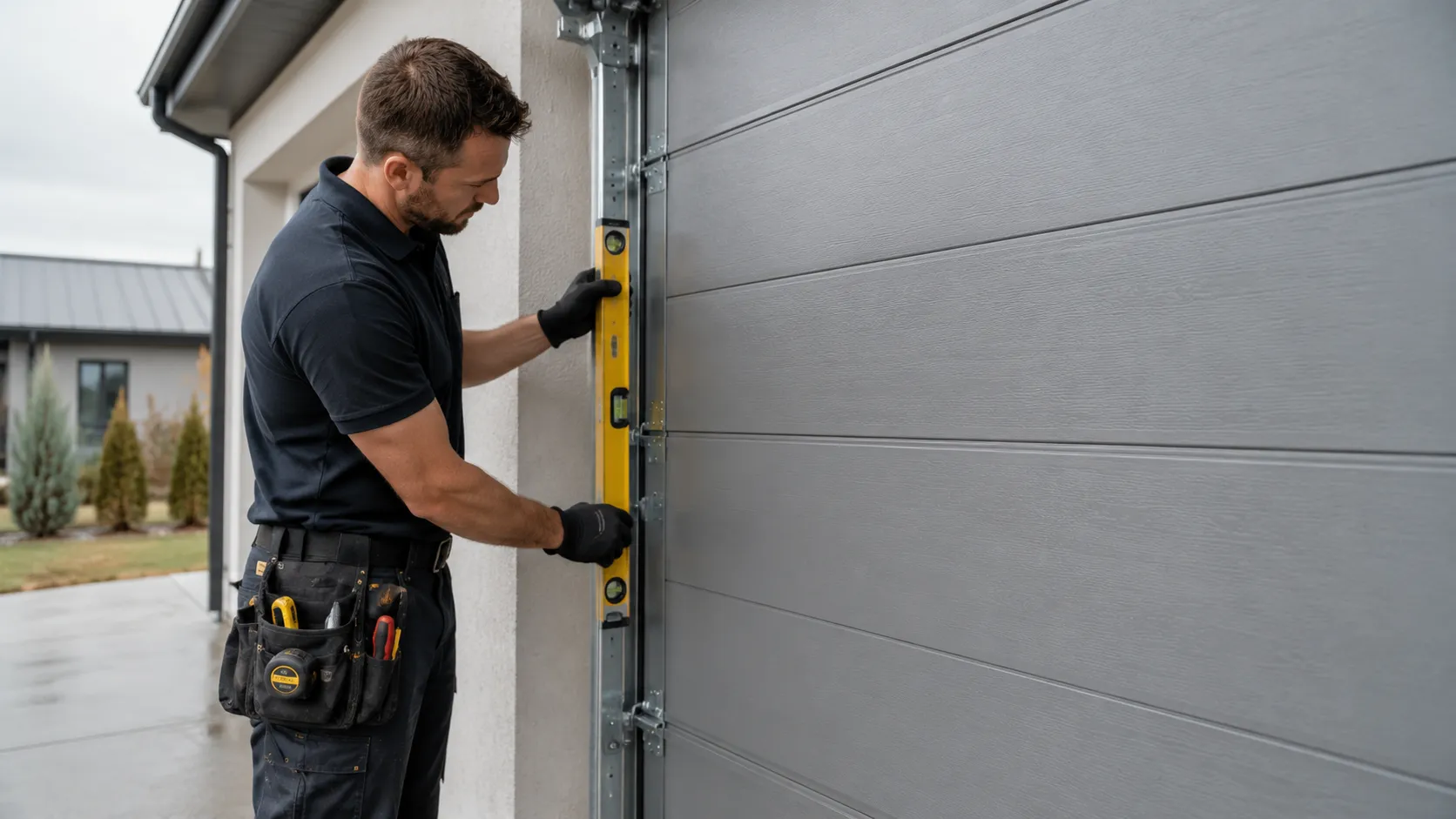
Before the next cold morning, look at three things. First, the coils on the torsion spring above the door - even spacing along the shaft, no visible gap where a coil has separated. Second, the cables running down each side to the bottom brackets, checking for frayed strands near the drum, which show up more often on doors original to the 1980s and 90s builds common through this area.
Third, rust at the spring ends and on the mounting brackets, since decades of Gulf humidity swings do more damage to unprotected steel here than the occasional freeze does on its own. If you see any of these, don't run the opener to test it - a spring under load that's already compromised can let go while you're standing under it. Disconnect the opener, leave the door where it sits, and get a second set of eyes on it before the temperature drops again.
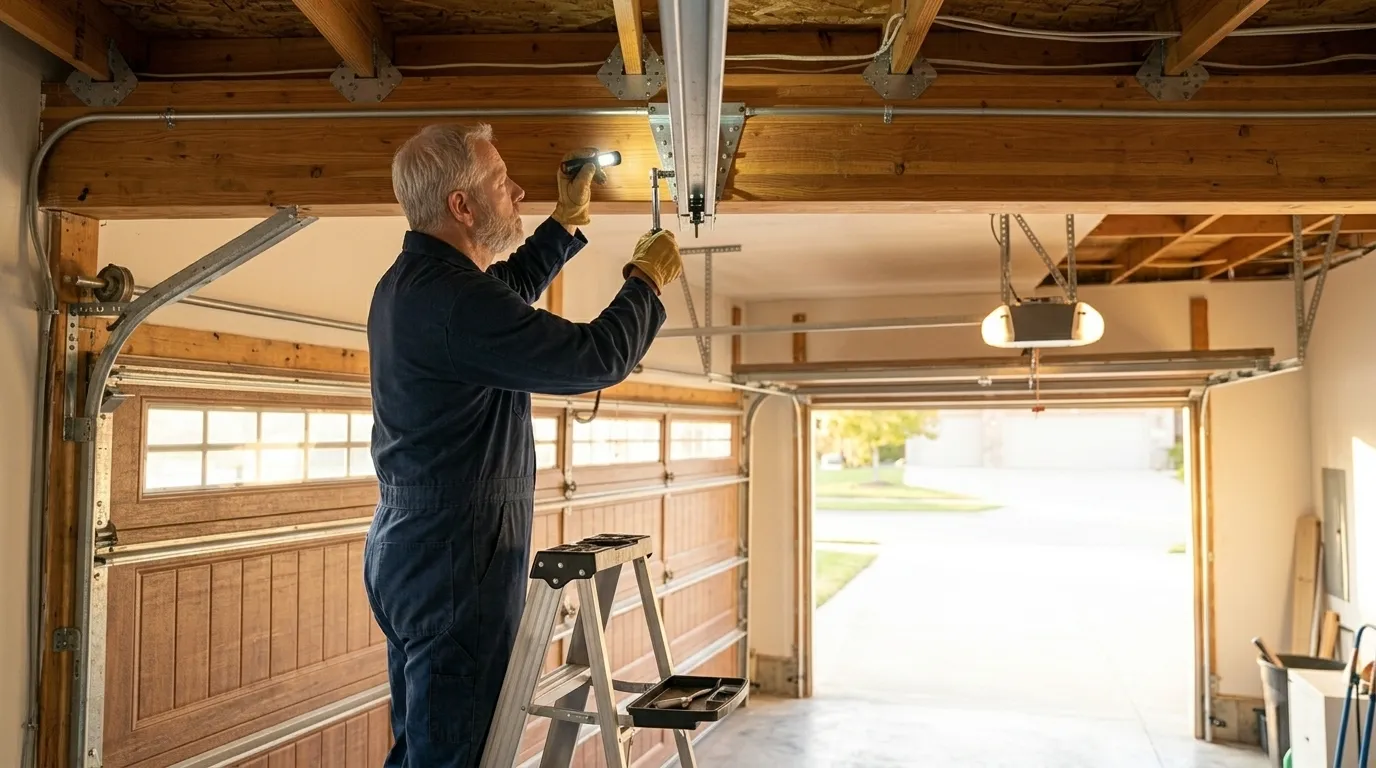
None of this requires a toolkit or a trip to the hardware store. It requires five minutes with a flashlight and knowing what thirty-plus-year-old hardware actually looks like when it's close to done.
How We Can Help
Garage Door Repair
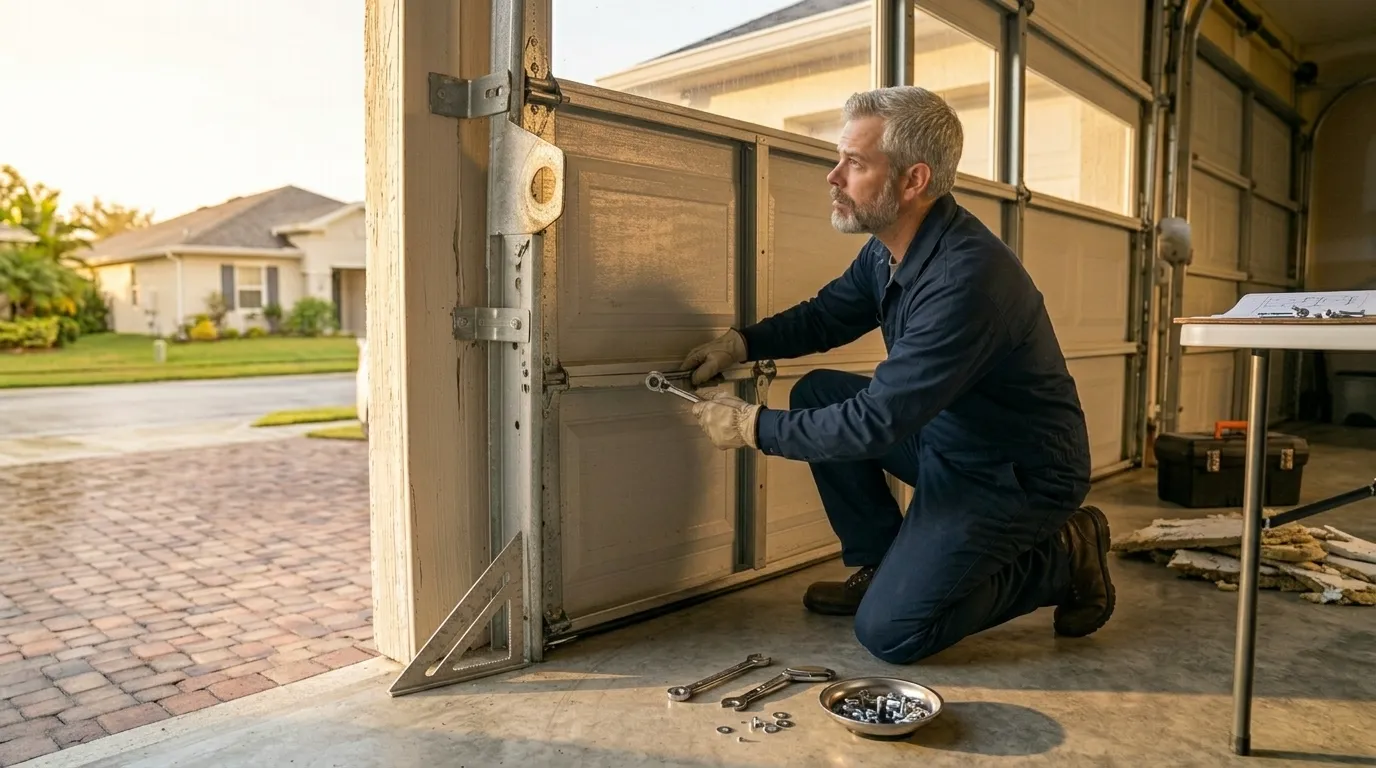
Springs, cables, tracks, rollers, and openers fixed by a tech who explains the problem before touching anything.
Learn more →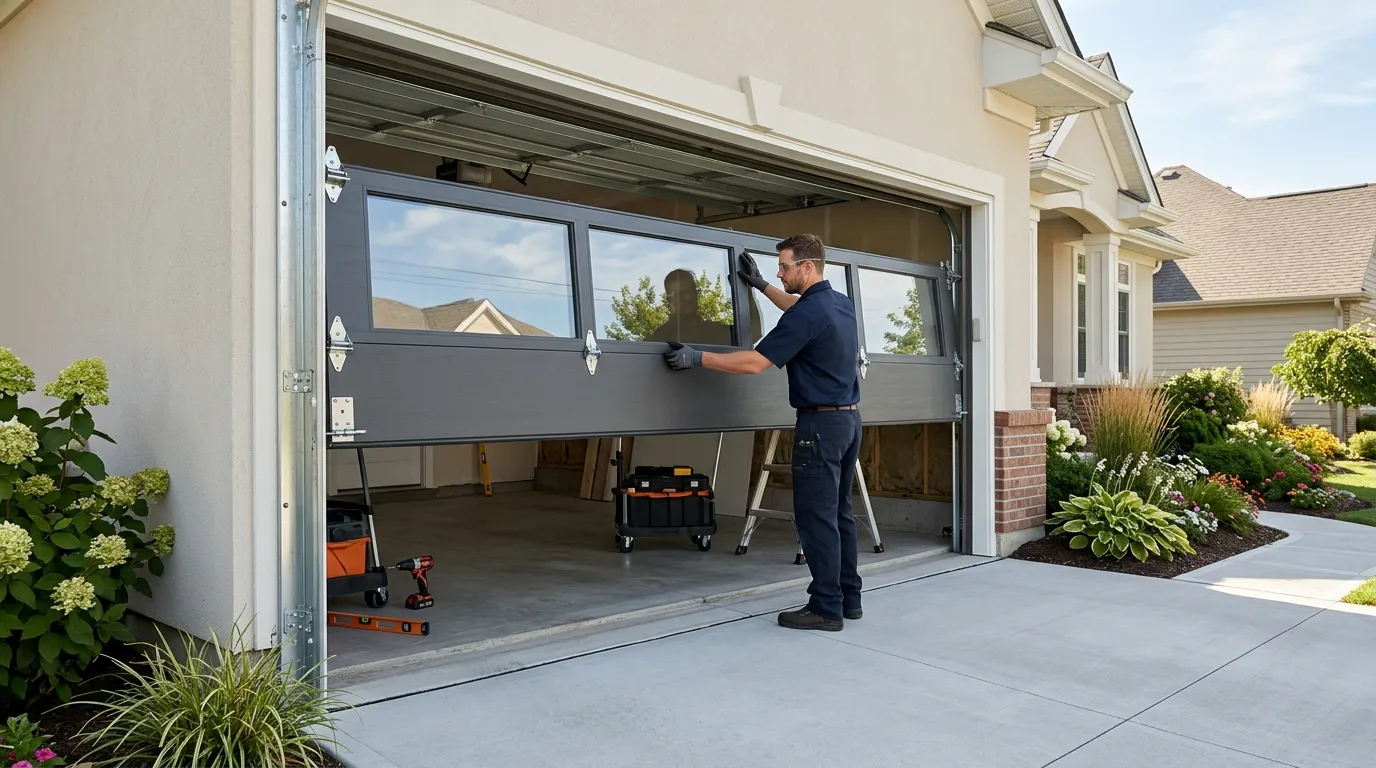
Garage Door Installation
New sectional doors sized and installed for the housing stock actually built in this area.
Learn more →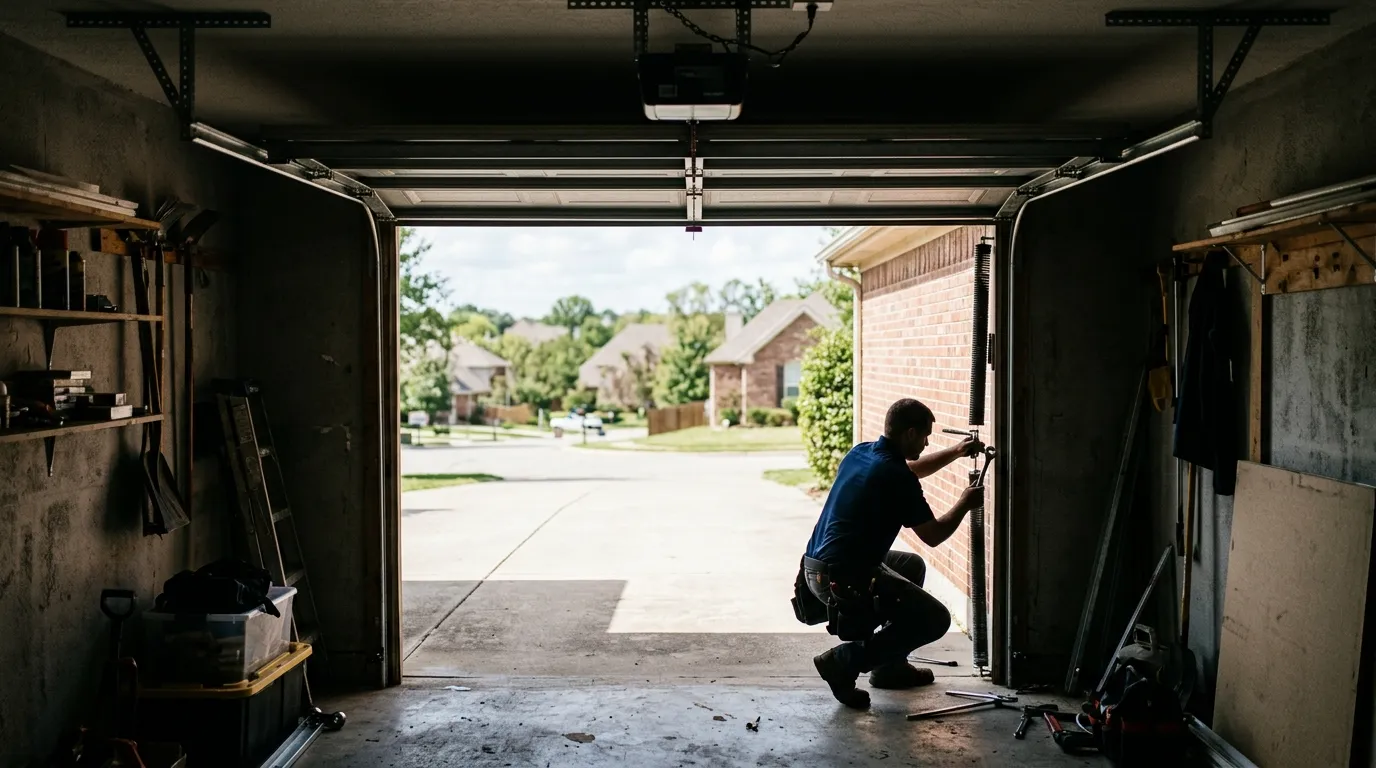
Garage Door Service
Tune-ups, lubrication, and safety checks that catch a small problem before it becomes a service call.
Learn more →Frequently Asked Questions
Why do garage door springs break more in cold weather in Webster?
Steel contracts slightly as it cools, adding a small amount of extra tension to a torsion spring that's already wound tight. Webster doesn't get deep freezes, but even a mild cold snap is enough to push a spring that's already fatigued from decades of heat and use past its remaining tolerance. It's rarely the cold alone, it's the cold on top of age.
How old is a typical garage door spring in this area?
Housing in this part of the county was mostly built between 1956 and 2014, with the heaviest share going up in the 1980s and 90s. If your house falls in that window and the spring has never been replaced, it's likely thirty to forty years old, well past the point where a sudden failure is unusual.
Should I replace a spring before winter just in case?
Not automatically. If the coils are evenly spaced, there's no rust or gap, and the door runs smooth, there's no reason to force a replacement. Replace it when you see actual signs of wear - a gap in the coils, rust at the ends, or a door that's started sounding rough - not on a calendar schedule.
Is a broken spring something I should try to fix myself?
No. A torsion spring holds the full weight of the door under tension, and one that's already failing can release that tension suddenly. This isn't a job for a Saturday afternoon with a wrench - disconnect the opener, leave the door alone, and get it looked at.
Have a Door That Needs a Second Opinion?
Call and describe what it is doing - we will tell you what it likely is.